Things To Consider Before Buying A Water Purifier
Water Filter Buying Guide

Water is essential for life. But the quality of water that we consume every day is becoming dangerous for our health. To improve the quality of water for daily use, it is now mandatory to install water filters in our home. But people tend to make mistakes while buying a water filters in various aspects including purpose, flow rate and capacity.

Every filter works best on its own, but it is not necessary that it works best for your requirements too. Before buying a water filter you should go through a thorough analysis and research to get the best solution for your water filtration needs.

Water Filter Buying Guide: Things to Consider Before Buying Water Purifier

Test water quality of your supply

What type of source do you use for your daily usage? Most of the filtration requirements are defined by the source of water you use. The very first thing to do is test quality of water that is supplied to you. There are easy to use checkup kits available or you can even call an expert to do the job. You need to install a water filter only if your water source is contaminated. There are mainly two types of water sources:

Private or individual

Private source includes bottled water, spring water, and water from ponds, shallow wells, streams, ponds and river canals. Private sources also include individually created sources like rainwater harvesting, residential bores, cisterns.

Public

The United States safe drinking water act identifies public sources as the ones provided by public entities like local government supply, ration water tanks and city water systems.

If you get water from a private source like well and bottled water, then you can eliminate contamination from the source itself. But rivers, ponds, streams require a lot of expense and time to be cleaned. Natural private sources are not reliable in terms of quality. So, a water filter is required.

In case of public water sources, you can file a complaint against the water contamination and quality to the local authorities which may not be effective readily. If the water from a public source is contaminated, you need to get a water filter installed fit for your needs.

Check your home water system

If the water report and tests do not show any hazardous contamination in your water supply, then the problem may be in your house water system. Check for leakage in all faucets and pipelines going around your house. Make sure that the surroundings of your house are clean and there is no clogged drainage around your supply line. Metal water pipes slowly accumulate rust and other organic contaminants due to moisture. The pipes throughout the house should be cleaned quarterly to prevent organic growth and rust.

Understand your needs

Water filters eliminate only the specific contaminants that they mention in their labels. Be aware of what kind of contamination prevails in your water supply. Check the list of contaminants the water filter you want to buy eliminates. Analyze your daily consumption of water based on purpose like drinking, washing, bathing and cooking. If you need water purification for all your needs, whole house filters with Point of Entry system are the right fit. If the water purification is required only for drinking or bathing purpose, then point of use filters like RO filtersunder sink filters and countertop water filters.

Explore the categories

With advancement in water filtration technology, there are many processes available today to purify water. There are many categories of water filters based on performance, durability, maintenance and cost which fit all types of water filtration solutions ranging from personal home to a commercial industry.

Maintenance cost

The maintenance cost of all filter categories varies highly. While many filters may come cheap in cost, the maintenance like replacement of cartridges and hoses is costly. So get detailed maintenance and repair costs of your water filter from the company before buying them.

Water filters are not a one-time investment. They need regular maintenance depending on the quality of the cartridges. Many companies provide features like quality index and security alarms for cartridges replacement which are beneficial. If the filters are regularly maintained the quality of water deteriorates, hoses may choke and power consumption increases.

Beware of scams

Do water filters actually work? Are you going to be scammed with an overrated device with false promises? Is doorstep water test trustable?

In case of any health related product, you should be aware of the scams that go around to stay alert and prevent getting scammed yourself. It highly depends on the company that you buy the water filter from. There are many companies that provide water filters at very low costs. They are mostly fake or ineffective. Water filtration is not a cheap process and any person who sells them at unbelievably low price is probably scamming you.

In recent news, many water filter scams have come into lime light. The worst of all was the door step sales and service scam to test your water quality and provide fake water filters. While there are many reputed companies that provide door step sales and service feature, they do not approach you without your solicitation.

Do you think that your water filter throws out more water than it purifies?

Then, you may be a victim of another scam. The American National Standards Institute (ANSI) does not allow more than 30% of water to seep out from waste hose. But due to this scam being neglected, almost 3 liters of water seeps out to provide 1 liter of pure water.

Buy only certified water filters

The reviews not only help in finding a water filter company that is legitimate, they also help you find the right one for your requirements. Customer feedback is one of the best ways to find a good water filter company both for the product quality and performance and the post sales services and warranty.

You can also compare the price of the water filters online. If the price of another product with the same features is low, it is anyway beneficial for your pockets.

Important Note – Always read the description and contaminant list that he water filter eliminates. Never install water filters on your own as that voids the warranty. Read the instructions of use carefully for optimum performance.

10 Benefits Showing Why Agriculture is Important In Our Society

  1. Helpful in providing Raw materials

  • Without any raw materials, makers can’t manufacture any products. Many raw materials come directly from agriculture like lumber for construction materials, herbs for adding flavor to food, etc
  1. Encourage Economic Development

  • Agriculture affects global trade at a high scale because it directly impacts other sectors of the economy, providing job opportunities and encouraging economic development. Countries who have strong agricultural support experience growth in other sectors as well.
  1. Provision of enough food

  • Agriculture is essential for any society because it helps to feed people. When people are asked about their thinking of agriculture, they often think of farms or lands where crops are grown. In addition to that livestock such as cows, chicken and sheep etc are also raised on farms which provide an important source of food for humans.
  • Another form of agriculture, aquaculture is the farming of fish and other aquatic plants. Fish and many other aquatic animals are considered to be good sources of proteins.
  • Horticulture is another form of agriculture concerned with growth of vegetables, fruits, flowers and other ornamental plants.
  • Last but not the least, forestry is the management and conservation of trees and wildlife in forests. All these forms of agriculture ensure that everyone has access to food, regardless of where they live or their economic status.
  1. Protecting against famine

  • Agriculture is known to be important for survival because it protects against famine because if agricultural output of a land is less, there would be no food for people or animals and famine can result because of that. Therefore, even if a drought occurs or farming lands get destroyed by certain pests, farmers will already have some supply of food to feed it to their animals or people.
  1. Agriculture maintains social order

  • Another reason why agriculture is important is that it maintains social order. When everyone is dependent on one another for food and other necessities of life, a sense of cooperation develops in people and this gives people a sense of responsibility because they realize the importance of agriculture and they know that without agriculture, they won’t be able to feed people and this social order will be destroyed. Agriculture rings people together and helps form the society itself. Therefore, to make sure that people have a way to get food and other resources, everyone needs to work together as one society to sustain the agricultural land.
  1. Helps balance the ecosystem

  • Agriculture also helps in balancing the ecosystem. It can help to regulate the ecosystem because it provides food and shelter for animals, regulates water resources, and restores degraded areas.
  1. It provides employment

  • The agricultural industry is considered to be one of the biggest sources of employment. Whether it’s working as a farmer, harvester, technician for farm equipment, scientist, or any other form of employment , agriculture provides employment opportunities to a huge number of people reducing the percentage of unemployment and poverty.
  1. Food for Animals

  • Animals also get their food grown through agriculture for example fodder, silage and more and that is why agriculture is important.
  1. Provide Greener Environment

  • Agriculture can help enhance the surrounding because of utilization of natural ways to grow crops and vegetables instead of bare soil and rocks.
  1. Good for surroundings

  • Modern agriculture relies on drip irrigation and helps to conserve water. Plants absorb carbon dioxide and release oxygen and help purify the air and also trap harmful toxins and pathogens in the air, thus making air pure.

Reasons Why You Should Do Water Quality Testing

Water Quality TestingDoes your drinking water have an odd taste to it? Are you prone to illness or digestive issues without any evident causes? Have you ever considered doing water quality testing? Water is a necessity for life, and as such that necessity needs to be protected. Water testing will uncover any harmful substances in your water supply and may give insight into any health issues that you are experiencing.
However, despite the importance of water quality testing, many tend to overlook testing until the damage has been done. Tiny microorganisms and substances that naturally get into a water supply may be detrimental to a person’s health. Many substances can cause digestive issues, illness, and (in some severe cases) death. The following are some points to take into account when considering water quality testing, especially geared towards those who are on the fence about scheduling a consultation.

Firstly, when deciding whether or not you should get your water supply tested, take location into account. The degree of isolation of your water source will be a deciding factor in its degree of contamination. Groundwater that is exposed to the elements and nature will tend to have a much higher count of harmful compounds than water from a deep, underground source that has less contact with contaminants on the surface. If your water source is more public than most or exposed to the elements than testing should be a priority.

Next, water testing should be a periodic concern rather than a once in a lifetime check. Water supply is an ecosystem in its own right. Thus it is a living, thriving thing that will change for the better or worse. Periodic testing will monitor those changes, tracking the growth of harmful substances and the effectiveness of water treatment. It should also be noted that while water testing is useful, it is only a small sample of a greater whole. Water is not homogeneous, meaning that water is not made up of the exact same substances throughout. Testing often will give a more comprehensive measurement, rather than a one-time sampling.

Finally, finding something in your water quality isn’t necessarily a cause for panic. Entirely pure water does not occur naturally and is only really theoretical outside of a laboratory. Some of the common substances found in water give it taste and mineral fortitude, so don’t overreact if a less than toxic substance is found. Continue with further testing and treatment to ensure that your water quality is brought up to the highest level possible. Rushing to remove a harmful substance from your water supply without taking the proper steps may cause more issues and further contamination. A rational approach will always yield the best results.

Take care of your water supply and employ periodic water testing procedures. Consuming clean water will improve your health and well being, and unhealthy water is simply too debilitating to not take steps against.


Water Pollution in the Pacific Northwest

While water pollution may not be a significant issue to others in other parts of the world, it is considered one of the most important issues here in the Pacific Northwest. To properly understand this problem, one must first understand the causes. Some important causes of water pollution would be runoff, groundwater contamination, and the dumping of chemical waste.

In the pacific northwest, runoff is one of the main causes of pollution in water sources. Runoff is defined as rain and snow melt that runs off surfaces. In doing so, it can pick up pollution such like oil, fertilizers, waste, and other chemical products. This runoff is then carried into lakes, rivers, and eventually oceans. This is particularly harmful in Washington, as agriculture and are major industries. This means that pollutants such as waste and fertilizer can easily be picked up by runoff and pollute the water if not properly managed.
Groundwater pollution is a much lesser known cause of water pollution in the ocean specifically. This is because while it is less than one percent of the total amount of water that flows from land to sea, it can be very rich in nutrients in the pacific northwest specifically. Due to high rainfall and steep coastal ranges, groundwater in the pacific northwest is very rich in nitrates. Nitrates can contribute to algae blooms, which means that algae grows rapidly and produces a toxin. As fish and other animals consume this, it causes bioaccumulation, which leads to birds and sea lions being poisoned. Furthermore, algae blooms can take away oxygen in ocean waters that marine life need for survival. Other than the environmental factors, this also disrupts fishing industries, which is exactly what happened on the west coast a couple years ago.
Another important cause is chemical waste, which can significantly affect marine life and humans if introduced into water sources. Chemical waste is often not properly disposed of and filtered, which causes it to end up into the water supply. Especially in the Puget Sound, a sound located in the Pacific Northwest, chemical waste can often leech into the water source due to major cities not properly filtering out chemical waste.

Protecting Water Quality from Agricultural Runoff

As humans learn and advance, they discover new ways to make necessary processes more sustainable. The agricultural sector contributes to climate change, with meat production producing high levels of greenhouse gasses. However, improved practices promise to mitigate the environmental impact.

One way to do so is by protecting water quality from agricultural runoff. Pesticides and fertilizers can harm other native species and contribute to problems like excessive nutrients. Animal feces can make water sources unfit for consumption and soil erosion makes farming harder while stripping vital nutrients away from crops. Here is a further exploration of agricultural runoff’s impact on the environment and seven techniques for minimizing hazards.

How Agricultural Runoff Impacts the Environment

Multiple factors impact soil quality, affecting the number of crops flourishing and their nutritional value. One such element is pH. Runoff from pesticides and fertilizers can create overly alkaline conditions where plants fail to thrive, leading to nutrient lockout. In other cases, imbalanced pH leads to an overabundance of some minerals. This results in nutrient burn.

Furthermore, animal feces as fertilizer can contaminate soils and local waterways when they pour into them. Many programs to improve water quality in developing nations focus on human waste. However, increasing evidence suggests that mismanagement of animal waste contributes to considerable sickness, especially in areas where domestic livestock may share close quarters with humans.

Finally, agricultural runoff directly contributes to climate change. Fertilizer runoff has more nitrous oxide from farms spilling into waterways. This chemical has a warming potential approximately 300 times greater than carbon dioxide — and humans need to act now to start cooling things down, as more extreme weather patterns have already displaced many.

Methods of Protecting Water Quality From Agricultural Runoff

How can farmers protect water quality from agricultural runoff and decrease their overall carbon footprint? Here are seven methods of keeping surrounding water and soil clean when engaging in farming activities.

Reducing Pesticide Use

Have you raised eyebrows at footage of people in HAZMAT suits applying pesticides to crops? If so, you might have assumed that anything requiring such protection can harm the environment — and you’re right.

Farmers can reduce pesticide use by planting various species, focusing on those resistant to native pests. They can also use companion planting, interspersing pest-deterrent plants, like marigolds, in between their crops. Natural predators, like ladybugs and nematodes, can control harmful species, like aphids, who find many agricultural products as delicious as humans do.

Managing Irrigation Systems

A broken irrigation line might not seem like a big deal. However, it can invite environmental catastrophe if it ceaselessly rinses fertilizers and pesticides from the field into nearby rivers and streams.

Farmers should maintain their irrigation systems, performing routine inspections. They should replace any broken heads or tubing immediately and adjust their use to minimize overages that can cause runoff to leak into surrounding areas.

Conservation Tilling

Conservation tilling is any technique covering 30% or more of the surface with plants to decrease agricultural runoff. It also requires 1,000 pounds per acre throughout critical wind-erosion periods.

Conservation tilling consists of no-till techniques. It also includes in-row subsoiling, strip-tilling and ridge tilling, all designed to minimize soil loss and runoff.

Contour Farming and Terraces

Contour farming entails planting along the lay of the land, using natural hills and curves to prevent water loss. Instead of multiple straight lines, you might have crops going in various directions.

Contour farming uses gravity, placing plants with the highest water demands in the lowest-lying areas to make water use more efficient. Terraces are similar, using human-made structures to direct water flow.

Water and Sediment-Control Basins

Water and sediment-control basins conserve water and prevent runoffs by taking a structural approach. Farmers build a berm at the end of slopes to prevent water and soil from escaping. The method piles up dirt while directing water elsewhere through an underground outlet system.

Grassed Waterways

Grass protects soil from erosion and keeps those vital nutrients in the fields where they belong — not in area waterways where they contribute to cultural eutrophication. This process occurs when too many nutrients spill into lakes and ponds, causing algae blooms that suffocate the life beneath.

Grassed waterways give excess fluids somewhere to go without depleting the soil. They’re an excellent choice in places where flash flooding causes headaches.

Streambank and Shoreline Protection

Physical structures can protect streambanks and shorelines from erosion thanks to agricultural runoff. These buffer zones might consist of various trees and shrubs native to the area and hearty enough to absorb the excess.

Furthermore, ranchers can build chutes to direct livestock only to specific areas along waterways. This prohibition helps keep waste out of the water while minimizing soil disruption near the shore.

Protecting Water Quality from Agricultural Runoff

Current agricultural practices create considerable carbon emissions and contribute to global warming. They also threaten waterways, as runoff from fertilizer and pesticides can poison the precious fluid humans and animals need to drink.

Farmers can help protect water quality from agricultural runoff by employing the seven methods above. Stopping climate change takes everyone’s contribution. All people deserve water that’s safe and clean to drink.


Agricultural and Water Quality Conference

The quality of the water you consume or use in municipal or industrial processes must meet specific parameters. For instance, the EPA has set legal limits on more than 90 different contaminants that can be found in water. These limits are necessary to ensure that drinking water remains free from contaminants that could cause health issues or the development of waterborne diseases.

When it comes to industrial facilities, there are times when water must be treated to ensure that the quality is at an acceptable level for a wide range of essential processes. There are three water quality parameters that help to measure the quality of water, which include physical parameters, chemical parameters, and biological parameters. The physical parameters include color, taste, odor, temperature, turbidity, solids, and electrical conductivity.

On the other hand, chemical parameters can include pH, acidity, alkalinity, chlorine, hardness, dissolved oxygen, and biological oxygen demand. The third type of parameter involves biological parameters, which include bacteria, algae, and viruses. Water quality parameters matter because of the different requirements that applications can have.

For instance, dissolved oxygen is among the most important parameters when measuring a river’s water quality. The amount of dissolved oxygen in the water dictates how polluted the water sample is. Low amounts of dissolved oxygen indicate that the water is highly polluted and that organic contaminants are consuming the dissolved oxygen. This article offers a more in-depth explanation on the three types of water quality parameters.

Physical Water Quality Parameters

Turbidity

Though less used than some of the other water quality parameters on this list, turbidity refers to how cloudy water is. When you use Turbidity sensors, these devices are designed to measure the ability that light has to pass through water. High levels of turbidity can occur as a result of higher concentrations of silt, clay, and organic materials. The main issue with turbidity in water is that the water will look bad. No one wants to drink cloudy water. Several additional problems that are caused by high turbidity include:

-Water treatment costs will be higher
-High levels of particulates can act as a shield for harmful microorganisms, which makes it more difficult to get rid of these contaminants
-Suspended materials may damage fish gills, reduce growth rates, and decrease resistance to diseases
-Various suspended particles can act as adsorption media for mercury, cadmium, lead, and other heavy metals
-Dissolved oxygen concentration will likely decrease

Turbidity starts to become visible in water when sensors provide you with readings of over five NTU. As for muddy water, it can have turbidity readings of more than 100 NTU.

Temperature

measuring temperature

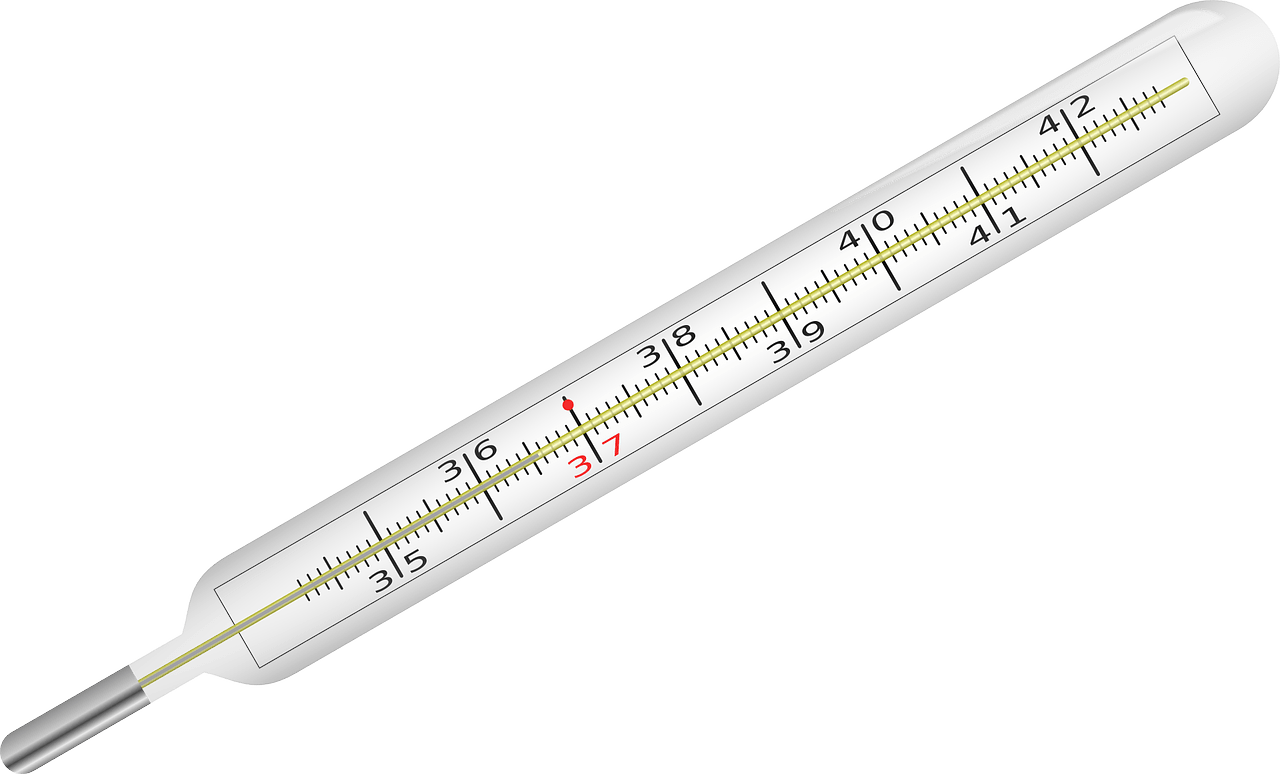
Some of the aspects of water quality that are influenced by the water’s temperature include odors, chemical reactions, solubility, palatability, and viscosity. As such, biological oxygen demand, sedimentation, and chlorination all depend on the water’s temperature. The ideal water temperatures range from 50-60 degrees Fahrenheit.

Color

It’s possible for the color of the water to be altered by materials that decay from organic matter, the primary of which include vegetation. Such inorganic matter as rocks, soil, and stones may also affect the color of the water. Even though these changes to a water’s color may create aesthetic issues with the water, they don’t change how the water tastes. You can effectively measure color by comparing a water sample to color glass disks or standard color solutions.

When you’re attempting to identify the color of water, it’s important to understand the difference between the water’s apparent color and its true color. Apparent color is made up of suspended material and dissolved solid colors. The true color of water can be identified after all suspended materials have been filtered out of the water. Keep in mind that color can be graded on a scale that ranges from 0-70 color units. Pure water contains no color units because it is essentially colorless.

Taste and Odor

It’s possible for the taste of water to change and for odors to develop as a result of foreign matter being introduced to the water. This matter can include organic materials, dissolved gases, and inorganic compounds. Most of this matter is derived from agricultural, natural, and domestic sources.

Solids

Solids can be in suspension or in solution when they get into the water. If you put a water sample through a glass fiber filter, suspended solids will remain at the top of this filter. On the other hand, any dissolved solids will pass through and remain in the water. When measuring the number of solids in water, it’s common for total dissolved solids to be measured. You can identify how much organic matter is present in the water by measuring for total dissolved solids. The three different water classifications for total dissolved solids include:

-Freshwater – Less than 1,500 mg/L TDS
-Brackish water – 1,500-5,000 mg/L TDS
-Saline water – More than 5,000 mg/L TDS

Electrical Conductivity

electrical conductivity

Another core physical parameter that you should be aware of involves electrical conductivity, which measures how well a sample of water or similar solution can carry or conduct electrical currents. Conductivity levels will increase as the amount of ions in the water increases.

This is one of the main parameters when measuring water quality because of how easy it is to detect water contamination levels when measuring the conductivity of water. High conductivity means that the water contains a high amount of contaminants. On the other hand, potable water and ultra-pure water are practically unable to conduct an electrical current. The main units of measurement for electrical conductivity include micromhos/cm and milliSiemens/m, the latter of which is abbreviated into mS/m.

Chemical Parameters of Water Quality

PH

When measuring the quality of water, pH is one of the first measurements that you should take. The pH of water is measured with a simple pH sensor or test kit, which will tell you how acidic or basic the water is. Acidic water will invariably be comprised of more hydrogen ions. On the other hand, basic water contains more hydroxyl ions.

It’s possible for pH levels to range from 0-14. If you receive a reading of 7.0, this means that the water is neutral. Any readings below 7.0 are acidic, while any readings above 7.0 are alkaline. Pure water has a neutral pH. However, rainfall is somewhat more acidic and typically has a 5.6 pH. Water is considered to be safe to drink if it has a pH of 6.5-8.5. The many effects that changing pH levels can have on plants and animals include:

-The majority of aquatic plants and animals are able to live in water with a specific pH, which means that slight changes could worsen quality of life
-Slightly acidic water can irritate fish gills, damage membranes, and reduce the number of hatched fish eggs
-Water with extremely high or extremely low pH is fatal to aquatic plants and animals
-Low pH can kill amphibians because their skin is sensitive to contaminants

Acidity

This refers to the measure of how much acids are in a specific solution. The water’s acidity is the quantitative capacity that it has to neutralize a base at a certain pH level. Acidity is commonly caused by the presence of mineral acids, hydrolyzed salts, and carbon dioxide. When acids are introduced to water, they can influence many different processes, which include everything from biological activities and chemical reactions to corrosion. The acidity of water is measured with a pH sensor.

Alkalinity

alkalinity

Alkalinity indicates the water’s acid-neutralizing capacity. Likely the most common reason to measure the alkalinity of a sample of water is to identify how much soda and lime must be added to the water for water softening purposes. The water softening process is particularly beneficial for mitigating corrosion in boilers.

In the event that water is alkaline, this means that it has a pH that’s at least higher than 7.0. The presence of bicarbonate ions, carbonate ions, and hydroxide ions increases the alkalinity of water. If you find that your water samples have high alkalinity or acidity, this indicates that the water is contaminated in some way.

Chlorine

While chlorine doesn’t occur naturally in water, it’s commonly added to wastewater for disinfection purposes. Even though base chlorine is a toxic gas, the aqueous solution is completely harmless to humans. If a small amount of chlorine is found in water, this indicates that the water is clean and essentially free from contaminants. You can measure chlorine residual with a spectrophotometer or color comparator test kit.

Hardness

Hardness occurs when water contains high mineral levels. If left untended, the dissolved minerals in your water could create scale deposits on hot water pipes. If you take a shower with water that has high mineral content, you may find it difficult to produce a lather with the soap you’re using. Hardness in water is mainly caused by the presence of magnesium and calcium ions, which can enter water from rock and soil. In most cases, groundwater has more hardness to it than surface water. You can measure water hardness with a colorimeter or test strip.

Dissolved Oxygen


This is a critical water quality parameter that can help you determine how polluted rivers, lakes, and streams are. When water has a high concentration of dissolved oxygen, you can be confident that the water quality is high. Dissolved oxygen occurs because of the solubility of oxygen. The amount of DO that you can find in water depends on numerous factors, the primary of which include the water’s salinity, pressure, and temperature. It’s possible to measure dissolved oxygen levels with a colorimeter or with the electrometric method.

Biological Oxygen Demand

Microorganisms like bacteria use organic matter as a source of food. When this material is metabolized, oxygen is consumed. If this process takes place in water, the dissolved oxygen in a sample of the water will be consumed. In the event that there is a substantial amount of organic matter in the water, high amounts of dissolved oxygen will be consumed in order to make sure that the organic matter decomposes. However, this creates problems since aquatic plants and animals require DO to survive. You can measure biological oxygen demand with the dilution method. if the BOD levels are high, the water is contaminated.

Biological Parameters of Water

Bacteria

Bacteria are single-celled plants that can ingest food and reproduce at rapid rates if the water’s pH, food supply, and temperature are ideal. Because bacteria can grow rapidly, it’s almost impossible to count the number of bacteria in a sample of water. In most cases, bacteria will reproduce at a slow rate in colder water. There are many harmful waterborne diseases that can be caused by high amounts of bacteria in water, which include cholera, tularemia, and typhoid.

Algae

algae

Algae are tiny, microscopic plants that consist of photosynthetic pigments. These plants are able to support themselves by effectively converting inorganic matter into organic matter, which is done with energy from the sun. While this process is ongoing, the algae consume carbon dioxide and release oxygen.

Algae are also essential in wastewater treatment processes that use stabilization ponds. The main issues caused by algae include strange odors and poor taste problems. Keep in mind that some species of algae can pose serious public health risks. For instance, it’s possible for blue-green algae to kill cattle.

Viruses

Viruses are tiny biological structures that can be harmful to a person’s health. Only strong electronic microscopes are able to view viruses. All viruses require parasites to live. Because of how small viruses are, they are able to pass through the majority of filters. Certain waterborne viruses can cause hepatitis and similar health problems. Despite the difficulty in treating viruses, most water treatment facilities should be able to eliminate viruses during the disinfection process.

Understanding the three primary types of water quality parameters may prove useful when you want to treat water and remove the many contaminants that can be found in water. Whether your water has high turbidity, a low pH, or ample bacteria, there are an array of solutions that you can use to eradicate these issues for good.


6 Ways to Prevent Water Pollution

Ways to Prevent Water Pollution

  1. Pick up litter and throw it away in a garbage can.
  2. Blow or sweep fertilizer back onto the grass if it gets onto paved areas. Don’t put fertilizer on the grass right before it rains. The chemicals will wash into storm drains and waterways.
  3. Mulch or compost grass or yard waste. Or, leave it in your yard if you can’t compost. Don’t blow leaves into the street. This clogs and damages storm drains.
  4. Wash your car or outdoor equipment where it can flow to a gravel or grassy area instead of a street.
  5. Don’t pour your motor oil down the storm drain. Take it to the nearest auto parts store. It’s free!
  6. Never clean up a spill by hosing it into a storm drain. Place kitty litter, sand, or another absorbent on the spill. Once the liquid becomes solid – sweep it up and throw it in a garbage can.

What is the role of water in agriculture?


Water is essential in agriculture. Farms use it to grow fresh produce and to sustain their livestock.


Therefore, water quality is critical for agriculture, both for the health and quality of produce, and for the economic stability of the farming industry.


Because water quality is such a fundamental facet of agricultural production, maintaining it is vital. The most effective way of doing this is through disinfection.


Common Uses of Water In Agriculture


In agriculture, water is used for:


  • Irrigation
  • Spraying
  • Drinking water for livestock
  • Washing down livestock buildings.


Compared to overall water consumption in the UK, agricultural irrigation represents only a minor use, of between 1% and 2%.


But this form of water use is demanding, as it does not return water back into the environment in the short term.


Where Does Agricultural Water Come From?


Some of the water that farms use for irrigation comes from rivers and streams, either through surface or borehole extraction. This is largely because peak demands for agricultural irrigation exceed what the public mains supply can provide.


There are some crops, such as strawberries, grown in smaller horticultural units, which depend on mains water supplies.


Consequently, agriculture requires large volumes of freshwater.


However, Defra’s Farm Business Survey for water usage on farms in England also indicates that mains supply water continues to be major source of water on some farms.


Dairy and grazing livestock farms tend to source a larger proportion of the water they use from freshwater.


Given these various water sources, it is important that farmers can control the quality of the water they use for these various agricultural purposes.


The Importance of Good Water Quality


Effective and safe uses of water in agriculture result in good crop yields and livestock production. But poor quality of water can have a significant negative impact on crop growing, animal welfare and health, and, ultimately, economic performance.


Contaminants in agricultural water can be damaging to quality of plant crops, to milk yields, and to the health and longevity of animal herds.


The main risk comes from bacteria, which form in biofilms on agricultural water supplies.


Biofilms can be particularly resistant to cleaning and disinfecting, and can spread contamination widely.


Where there is resting water in tanks or pipes, commonly from freshwater, there will often be a build-up of biofilm. It can also appear in untreated mains water.


The bacteria in biofilms can have devastating impacts on both plants and animals. Pathogens can slip past protective measures, especially if agricultural water is contaminated.


Water for Livestock


Animals need water for their healthy development and growth. Basically, the quality of end products, such as meat and milk, depends on the quality of animal feed, including water.


To maintain their feed intake, animals need access to a ready water supply that is uncontaminated.


Livestock consume vast quantities of water, so there is always the risk that they will ingest contaminants.


These contaminants include mineral salts, heavy metals, toxins, bacteria and animal faeces.


Contaminants in livestock drinking water can cause infertility and low milk production; they can cause fertility problems, illnesses, disease and death.


Water for Plants and Crops


Water quality is as essential for plants and crops as it is for livestock.


Stubborn fungal infections in plants can often be the result of contaminants. Indoor plant cultivation in particular is susceptible to fungal spores, that thrive in contaminated water.


Biofilms can cause deoxygenation in water supplies, which leads to oxygen-deficient soil, depriving plants of the oxygen they need.


How Should You Treat Agricultural Water?


It is important to disinfect the water used in agriculture. This will help to protect the quality of plants and crops, and protect livestock from disease and illness.


Any disinfectant you use should be as effective as possible, and work against as wide range of pathogens as possible.


Irrigation equipment can be a source of pathogens. Water recirculation systems, for instance, can spread mould spores throughout an entire greenhouse crop.


Therefore, you should spray all irrigation equipment such as sprinklers and top feeders with disinfectant.


Drinking facilities and tanks for water storage require regular disinfecting too. You should do this at least twice a year.


Along with basic precautions like ensuring there are no animal carcasses or manure in water supplies, you should clean troughs, buckets and cups very frequently, as part of an established routine.


Isolate water supply lines and add the recommended concentration of disinfectant to your tank or water system. Flush the system out, then refill and apply disinfectant to this supply.


What Disinfectant Can You Apply to Agricultural Water?


You want the disinfectant you use to be as effective as possible, but also to be safe for use with livestock.


Oxyl-Pro is a revolutionary disinfectant with multiple uses and applications, suitable for agriculture and livestock. It uses food-safe ingredients and contains no silver or heavy metals.


How to Test Your Water Quality at Home Without a Kit

Whether you’ve recently moved into a new home or taken a new interest in your home drinking water quality, you may be wondering how to determine the purity and safety of your water supply.

While various at-home packages are available for assessing the water in your home, these packages can be expensive and slow to ship. In this article, we’ll explore how to test water quality at home without a kit to assess for bacteria, lead, nitrates, nitrites, and chlorine.

With the help of four simple at-home tests, you can establish preliminary parameters about your home’s water quality. This information can help you establish a purification plan and harness water treatment technology that addresses the specific water quality issues in your home.

#1 Assess Color, Taste, and Odor Test

How satisfied are you with your water? Three crucial, qualitative characteristics of your home water supply can indicate the presence of hard water:

  • Odor
  • Color
  • Taste

While it can be difficult to pinpoint the precise causes of odor, color, or taste abnormalities, identifying issues is the first step in the mitigation process.

If you’re not sure how these qualitative factors impact your current water supply, evaluate your tap water against one of the purest water products on the market—bottled, distilled water.

While even the most highly distilled water products aren’t 100% H2O, distilled water can serve as a neutral comparison point for your household water quality.

To evaluate the odor, color, and taste of your tap water, compare each metric to those you observe in distilled water samples. If your at-home drinking water has a funky odor, color, or taste compared to the distilled control, your home drinking water supply might be contaminated.

Reverse Osmosis Systems starting at only $25/mo. Try before you buy!

#2 Use a Water Hardness Test

Water hardness describes the total concentration of dissolved calcium and magnesium solids in a water sample.1

If your home has hard water, you may experience one or more of the following everyday impacts:

  • Chalky stains on dishes, plumbing fixtures, and countertops
  • Soap scum residue in areas where you use soap (e.g., showers and sinks)
  • Low water pressure
  • A chalky dry feeling when you wash your hands or body, or when you do the dishes
  • Low soap sudsing

One sure-fire way to test your home water hardness without a testing kit is to do the following:

  • Dispense tap water into a ladle or large spoon
  • Lay the spoonful of water on a countertop, and don’t disturb it for 24 to 48 hours
  • Once the water has evaporated, look for white spots or sticky residue on the spoon

If you observe lingering residue after the water has evaporated, you may have hard water issues at home. Filtering hard water can be essential for a safer water supply.

#3 Try a Magnifying Glass

If you’re testing your home water quality without a water test kit, remember to take note of water quality issues as soon as your water leaves the tap.

Not all contaminant particles will be visible to the naked eye—but relying on your senses is crucial to establishing and fixing drinking water quality issues.

To perform a visual test, thoroughly clean and dry a clear glass bowl or drinking glass. Fill the container with water, place the container in bright light, and use a magnifying glass to take a closer look at the water.

If you notice floating particles, cloudiness, or foam that lasts more than a few minutes, your home water could be contaminated. While not all contaminants are harmful, establishing a baseline for visual water clarity can help you evaluate the effectiveness of any water purification solutions you test out to improve your home water quality.

#4 Boil Your Water for a Dissolved Solids Test

Again, it can be difficult to observe dissolved solids, but even if you can’t see contaminants, you can still test for water impurities at home without a water test kit. Simply employ the boiling method:

  1. Thoroughly wash and dry a small pot or saucepan
  2. Fill the pot with one cup of water
  3. Place the pot on your stovetop, heating the water without a lid until it comes to a boil
  4. Turn off the heat once most of the water has evaporated
  5. Wait for the pot to cool completely

Once you’ve boiled off the water and waited for the pot to cool, run your fingers along the bottom of the pot. If you feel gritty, sticky, or chalky residue, your home water supply contains dissolved solids.

Additional Factors to Consider

When assessing your water quality at home, you’ll also want to factor in a few external elements that may be affecting the quality of your water and how you should be testing it. These include:

  • Water source – Nutrient pollution can affect lakes, rivers, and streams, which are then absorbed into the ground. This may affect both public and private drinking water systems and pose serious health threats to those who drink the water. As such, it’s particularly important to look for nitrate contamination if your water comes from a groundwater source.2
  • Frequency of tests – According to the CDC, you should test the quality of your drinking water once a year and should test for coliform bacteria, nitrates, total dissolved solids, and pH levels. However, if you’ve experienced contamination within your water source or a recent repair to your water system, it’s recommended that you test your water more frequently.3
  • Local health regulations – The EPA outlines the legal limits of 90 contaminants, as well as water testing schedules and methods that water systems must follow.4 The Safe Drinking Water Act has also allowed individual states to set standards for drinking water. As such, before testing your drinking water, it’s beneficial to consult with your state’s regulations.

Why Test Your Home’s Water Quality

As we mentioned, testing the water quality is important to help eliminate hard water and contaminants that may not only be harmful to your body but can potentially cause issues like plumbing damage, hard water stains, and more. While the water source and local health department regulations may impact the quality, water quality testing can also be essential to determine whether you need a water filter or water softener. Adding a water softener, like an ion exchange water filter, or even reverse osmosis system can help improve and make your drinking water safer.


5 Points to Consider When Buying a Water Purifier

5 Things to Consider Before Buying a Water Purifier 

Water contamination is a serious concern as it can lead to several health problems. Drinking contaminated water is not only dangerous for kids but may also cause a lot of problems for adults. According to the Environmental Protection Agency, water contamination can occur either naturally or because of human activity. As a result, it is necessary to install the best RO water purifiers at home to ensure that you drink healthy and safe. KENT provides some of the best water purifiers in India that remove dissolved impurities and make water completely safe for consumption. However, there are certain important factors that you need to know before buying a water purifier. In this blog, we discuss 5 important factors that you need to consider when looking for the best RO water purifier.

Buying Guide for Water Purifier in 2023

Below mentioned are the 5 points to consider before buying an RO Water purifier:

  • You Need to Test the Water Quality
  • Water Purifiers Eliminate Specific Contaminants
  • You Need to Change the Filters at Regular Intervals
  • Consider the Cost of Filter Replacement
  • Consider the amount of water your family drinks

1. You Need to Test the Water Quality

One of the factors that we tend to ignore is testing the water quality before choosing a purifier. The one-size-fits-all formula doesn’t apply to water purifiers which makes it essential to check the water quality before making the final decision. You can get the help of a professional to test the water quality and make the final decision based on the types of contaminants present in water.

You can also gauge the water quality at home as a primary step. Here are some of the steps through you can gauge the water quality at home:

  1. Smell the Water: Use your olfactory senses to gauge the quality of water. If you find a bleach smell in the water, then it is because of the chlorine added to your water by the local treatment plant. If you find rotten-egg smell, then it indicates bacterial growth in the water. Musty or earthy smell indicates decaying of organic matter in the water.
  2. Check the Taste: Check the quality of water using your taste buds. If the water tastes foul or has a metallic taste, then it has low Ph levels or has excess mineral content. Excess chlorine in water results in taste like bleach.
  3. Presence of Particles: See if the water has any visible minute particles in it. Generally, tiny rust particles can be witnesses in water due to rusts in pipes and faucets. Other than this, if the water appears to be cloudy, then it indicates high calcium and magnesium content present in the water.
  4. Check the Color: If the color of the water is brown or pale yellow, then it suggests the immediate need for a water purifier. The brown, murkier discolored water can again be the result of rusty pipes and faucets.
  5. Corrosion build-up: Check for corrosion build-up in your pipes and faucets. You can see blue, white or rust-colored build up in pipes, which indicates the presence of foreign particles in the water.

2. Water Purifiers Eliminate Specific Contaminants

Water purifiers use a combination of technologies to remove contaminants from water. However, this doesn’t imply that all the water purifiers can remove the different kinds of impurities present in water. Before buying a water purifier, test the water quality in your area to know which water purifier will be best for you. Depending on the water quality in your area, you can decide whether to opt for RO or UV water purifiers. In addition, you also need to check whether the water purifier has NSF-Certification.

These are the general categories of water contamination:

  • Biological: The presence of microbes leads to biological contamination. Such as the presence of bacteria, viruses, protozoan, and parasites.
  • Chemical: Chemical contamination is generally man-made. Such as the presence of bleach, salts, pesticides and likewise.
  • Physical: Physical contaminations are mainly sediment or organic material that are suspended in the water. These impurities affect the physical appearance of the water.

Also Read: Remove Contaminants from Water with RO UV UF Purification Method

3. You Need to Change the Filters at Regular Intervals

All the water purifiers work in the same way. Water passes through a removable cartridge which is filled with different filtering medium such as activated charcoal. As these filter do all the heavy duty work, it gets clogged after a certain period of time. When the filters are clogged, the water purifier will not purify water with efficiency. To ensure that you keep drinking safe water, follow the instruction about filter change mentioned by the manufacturer. Water purifiers from KENT come with an alarm that alerts you when you need to change the filter.

4. Consider the Cost of Filter Replacement

Before making the final decision, ensure that you consider the cost of replacing the filters. The cost may vary depending on the type and model of water purifier that you use. To avoid any confusion and inconvenience in the future, get a clear information about the cost of repairing the filters. Another smart step that you can take is to opt for AMC which will help in reducing the repair and replacement costs.

5. Consider the amount of water your family drinks

When looking for a water purifier, don’t forget to consider the family size. The reason is water purifiers come with a storage capacity to ensure that you get purified water even in the absence of electricity. So, before making the final decision include the amount of water your family consumes and also consider the water used for cooking. If you have a big family, it is advisable to go for counter-top or under the counter water purifier.