In today’s fast-paced digital world, effective marketing is crucial for any business looking to thrive. If you’re a business owner in the Queen City, you might be wondering how to find the best marketing strategies to reach your target audience. This is where a marketing company in Charlotte can offer valuable insights and expertise. In this article, we’ll explore what you need to know when choosing the right marketing partner in Charlotte.
Understanding Your Marketing Needs
Before seeking a marketing company in Charlotte, it’s essential to assess your specific marketing needs. Consider what you hope to achieve, whether it’s increasing brand awareness, generating leads, or improving customer engagement. Knowing your goals will help you communicate effectively with potential marketing firms and ensure they align with your vision.
Evaluating Options: Key Features to Look For
When searching for a marketing company in Charlotte, there are several key features to consider:
1. Experience and Expertise
Look for a company with a proven track record of success in various marketing strategies. Their experience in different industries can offer invaluable insights tailored to your specific market.
2. Range of Services
A full-service marketing agency can provide a comprehensive approach to your marketing needs. Services may include SEO, content marketing, social media management, and more. This diversity can help ensure all aspects of your marketing are aligned and working towards the same goals.
3. Understanding Local Market Dynamics
Choosing a marketing company in Charlotte that understands the local market can give you a significant edge. They will be familiar with regional trends, customer behaviors, and competitive landscapes that can affect your marketing strategy.
The Importance of SEO
In the digital age, Search Engine Optimization (SEO) is critical for online visibility. A knowledgeable marketing company will emphasize the importance of SEO in their strategies. If you are looking for quality services, consider connecting with a reliable Charlotte SEO and marketing company in Charlotte that can help your business rank higher in search engine results.
Assessing Results: Metrics that Matter
Finally, it’s vital to understand how to evaluate the results of your marketing campaigns. Work with your chosen marketing company to set clear metrics that will help measure success, such as website traffic, conversion rates, or social media engagement.
Conclusion
Finding the right marketing company in Charlotte can be a game-changer for your business. By understanding your needs and evaluating your options carefully, you can partner with a marketing firm that not only understands the local market but also has the expertise to help you achieve your goals. Whether you’re a startup or an established business, the right marketing strategy is essential for growth.
Comments Off on The Ultimate Guide to Choosing the Right Marketing Company in CharlotteInDefault
In the ever-evolving landscape of digital marketing, businesses in Charlotte face unique challenges and opportunities. The right marketing company in Charlotte can be instrumental in helping your brand navigate this landscape. This article will explore how to choose the best marketing partner for your needs, the services they offer, and the benefits of working with a local expert.
Why Choose a Local Marketing Company?
Choosing a marketing company in Charlotte allows you to work with a team that understands the local culture, market trends, and consumer behaviors. Local agencies can provide personalized services that cater specifically to the Charlotte audience. They are also more accessible for face-to-face meetings, offering a level of collaboration that remote agencies might lack.
Understanding Your Business Needs
Before selecting a marketing company in Charlotte, it’s essential to understand what your business needs. Are you looking to improve your online presence, enhance brand awareness, or drive sales? Some common services offered by local agencies include:
Search Engine Optimization (SEO)
Pay-Per-Click Advertising (PPC)
Social Media Marketing
Content Marketing
Brand Strategy Development
Evaluating Potential Agencies
When evaluating different marketing companies, consider their portfolio, client testimonials, and case studies. A reputable marketing company in Charlotte should have a proven track record of delivering successful campaigns. Additionally, look for agencies that specialize in your industry, as they will be better equipped to understand your unique challenges and audience.
Services Offered by Marketing Companies
Most marketing companies offer a wide range of services designed to increase visibility and drive traffic to your business. This can include:
SEO Services: Optimizing your website to rank higher on search engines, leading to increased organic traffic. Many companies in Charlotte specialize in Charlotte SEO and marketing.
PPC Campaigns: Creating targeted ads on platforms like Google Ads and Facebook that can provide immediate results.
Content Marketing: Developing relevant and engaging content that resonates with your audience and encourages them to interact with your brand.
Social Media Management: Cultivating an engaging presence on social media platforms to connect with customers and build community.
The Benefits of Working with a Marketing Company in Charlotte
Working with a local agency can offer your business several advantages:
Personalized Service: Local agencies can provide tailored marketing strategies that fit your specific goals and market.
Networking Opportunities: They often have existing relationships with other local businesses and influencers, which can benefit your marketing efforts.
Quick Response Times: Proximity allows for faster communication, which is crucial in the fast-paced world of digital marketing.
Conclusion
Choosing the right marketing company in Charlotte can dramatically influence your business’s growth and success. Take the time to evaluate your options carefully, consider their expertise and alignment with your goals, and don’t hesitate to ask for references. By doing so, you set your business up for effective marketing strategies and, ultimately, increased profitability.
Comments Off on Top Marketing Companies in Charlotte: How to Choose the Right OneInDefault
Finding the right marketing partner is crucial for any business aiming to thrive in today’s competitive landscape. In Charlotte, a vibrant hub for commerce and innovation, a marketing company in Charlotte can provide tailored strategies that resonate with local audiences and enhance your brand’s visibility.
The Importance of Local Expertise
A marketing company based in Charlotte understands the unique dynamics of the local market. They are familiar with the community’s culture, preferences, and trends, which allows them to craft strategies that appeal specifically to Charlotte’s diverse demographics. When you work with a local marketing partner, your business isn’t just another name on a list; you’re part of the community. This connection can build trust and contribute to your brand’s success.
Key Services Offered by a Marketing Company in Charlotte
When considering a marketing company in Charlotte, it’s essential to understand the range of services they provide. Here are some critical offerings you can expect:
1. Digital Marketing Strategies
In the digital age, having a strong online presence is non-negotiable. A marketing company in Charlotte will help you establish an effective digital strategy that includes search engine optimization (SEO), social media marketing, and pay-per-click advertising. These strategies are designed to increase your visibility and reach target customers effectively.
2. Content Marketing
Content is king when it comes to engaging and retaining customers. By partnering with a Charlotte-based marketing firm, you can develop compelling content that speaks to your audience’s needs and interests. This can include blog posts, videos, infographics, and case studies that not only boost your SEO but also position your brand as a thought leader in your industry.
3. Branding and Design
Your brand is your business identity. A marketing company in Charlotte can assist you in crafting a cohesive brand image that reflects your values and resonates with your customers. From logo design to comprehensive branding strategies, they can help ensure that your brand stands out in the marketplace.
Why SEO Matters
Search Engine Optimization (SEO) is a cornerstone of any effective marketing strategy. A specialized Charlotte SEO and marketing company in Charlotte can optimize your website to improve its ranking on search engines, ultimately driving more traffic to your site. Effective SEO strategies boost your credibility and make it easier for potential customers to find you when they need services or products that you offer.
Measuring Success
Working with a marketing company in Charlotte should involve a clear understanding of performance metrics. Regular reporting and analytics can help you evaluate the effectiveness of your marketing campaigns. Look for a company that provides insights into key performance indicators (KPIs) so you can track your return on investment (ROI) and make informed decisions about future strategies.
Conclusion
In conclusion, partnering with a marketing company in Charlotte is not just a business decision; it’s an investment in your company’s future. With local expertise, a wide range of services, and a strong emphasis on SEO, you can position your business for sustained growth and success. As Charlotte continues to grow as a central business district, the right marketing partner can provide the edge you need to stand out.
Comments Off on Unlocking Growth: How a Marketing Company in Charlotte Can Elevate Your BusinessInDefault
Understanding the Importance of a Local Marketing Company
In today’s digital age, businesses need a robust marketing strategy to succeed. For companies in Charlotte, finding the right marketing company in Charlotte can be a game changer. A local agency understands the market dynamics, customer preferences, and unique trends that can significantly impact campaign success.
Why Choose a Marketing Company in Charlotte?
When you partner with a marketing company in Charlotte, you benefit from their knowledge of the local landscape. They can craft marketing strategies tailored specifically for your audience, ensuring that your message resonates with potential customers. From SEO to social media marketing, Charlotte-based agencies have the expertise to implement solutions that work.
Local Expertise
A marketing company that operates in Charlotte knows what appeals to the local demographic. They can provide insights into local trends, preferences, and community events, allowing your business to connect with consumers on a deeper level. This proximity often leads to more effective campaigns compared to firms that do not have a local presence.
Holistic Marketing Strategies
Another advantage of choosing a local marketing company is their ability to offer comprehensive strategies. These companies understand that today’s marketing landscape demands an integrated approach. From digital marketing techniques like SEO and pay-per-click advertising to traditional methods such as print marketing, a well-rounded strategy increases the chances of reaching broader audiences.
Key Services Offered by Charlotte Marketing Companies
Here are some essential services that a typical marketing company in Charlotte might provide:
Search Engine Optimization (SEO)
SEO is crucial for any business’s online visibility. A specialized Charlotte SEO and marketing company in Charlotte can help improve your website’s ranking on search engines, driving organic traffic to your site.
Social Media Management
Social media is a powerful tool for engaging customers. A local agency will know which platforms resonate with your target audience and can create content that stimulates interaction and builds brand loyalty.
Content Marketing
Content is king in the digital marketing world. A marketing company can help you craft valuable, relevant content that not only informs your audience but also fosters trust and credibility in your brand.
How to Choose the Best Marketing Company?
When choosing a marketing company in Charlotte, consider the following tips:
Evaluate Their Portfolio
A reputable agency should have a robust portfolio showcasing previous work and results. Look for case studies that demonstrate their marketing successes, especially in industries similar to yours.
Check Client Testimonials
Reading reviews and testimonials from other clients can provide insight into the agency’s reliability and effectiveness. Reach out to former clients if possible to ask about their experiences.
Discuss Your Needs
Before committing, have a conversation with potential agencies about your specific needs and goals. This dialogue will help you assess whether they understand your vision and can tailor their services to meet your expectations.
Conclusion
Finding the right marketing company in Charlotte can significantly influence your business’s growth. By leveraging local expertise and a comprehensive approach, these agencies can help you build a strong brand presence and connect with your audience effectively. Don’t hesitate to take your time evaluating choices; ensuring that the marketing partner aligns with your business goals is essential for long-term success.
Comments Off on Top Strategies for Choosing the Right Marketing Company in CharlotteInDefault
As you strive for better health and productivity each day, remember that the quality of your drinking water makes all the difference. Whether for staying hydrated at home or fueling your energy levels at work; clean, refreshing water plays a pivotal part in your overall well-being.
Read on as we dive into the main factors influencing water quality in your area and how you can find access to clean water sources to keep you hydrated and satisfied.
The Role of Water Quality in Optimal Hydration
Local water quality refers to the characteristics of the water supply in your specific geographic region. This generally encompasses factors like its source, purity, taste, and safety for consumption. While sometimes overlooked, the quality of drinking water can considerably impact your daily hydration habits — influencing the reliability and flavor of tap water. And because of differing water treatment processes, environmental factors, and more, water quality can vary from one zip code to another.
As a result, understanding what influences your unique water quality and introducing proper solutions to improve it can guarantee a consistent flow of tasty drinking water tailored to your needs.
What Are Water Quality Standards?
While local water quality varies across regions, they must all adhere to water quality standards (i.e., the safe levels of drinking water contaminants and characteristics for consumption and environmental health).
Who oversees these standards? In 1974, Congress passed the Safe Drinking Water Act (SDWA), assigning the Environmental Protection Agency (EPA) the responsibility of establishing and enforcing defined water quality standards to support public health. This involves water quality monitoring and ensuring that state, local authorities, and water suppliers implement these benchmarks.
As of today, the SDWA has established maximum contaminant levels and treatment criteria for over 90 different impurities in public drinking water supplies. Compliance with these standards proves vital for water supply safety and, consequently, your long-term wellness.
Health Issues Associated With Poor Local Water Quality
If water quality declines in your area and you lack adequate systems to effectively clean it, you may face several health consequences, including:
Increased potential for illness: Research reveals that a poorly maintained water source can harbor harmful chemicals, heavy metals, and toxins. Consumption increases your likelihood of developing cardiovascular disorders, neuronal damage, renal injuries, and risk of cancer and diabetes.
Weakened immune system: Exposure to impurities in contaminated water can compromise the immune system. Consequently, individuals are more susceptible to infections and illnesses.
Long-term health concerns: Chronic exposure to contaminants in poor-quality water results in potentially serious long-term health issues, including cancer, cardiovascular disease, and developmental disorders.
7 Factors Influencing Your Water Quality
Let’s explore the seven major factors impacting drinking water quality across the country:
1. Water Source
Your drinking water source is a key ingredient in determining its quality. Some of the most common drinking water sources include:
Municipal water systems
Surface water
Groundwater
Bottled water
Water reservoirs
Underground wells
Rainwater harvesting
Surface water is often prone to contamination from runoff and pollution, whereas groundwater tends to be cleaner, albeit with natural impurities like dissolved minerals. Alternatively, municipal water systems and bottled water undergo rigorous treatment to ensure cleanliness.
2. Contaminants and Total Dissolved Solids
Contaminants, including bacteria, chemicals, and heavy metals, can spoil the taste of water and harm human health, potentially causing waterborne illnesses and long-term health issues. Total dissolved solids (TDS), on the other hand, include dissolved minerals, salts, and metals — influencing taste and water hardness. While some minerals are essential for health, excessive TDS levels can pose health risks, such as kidney stones or diabetes.
3. Water Treatment Processes
Water treatment processes in your area meet water quality parameters by removing contaminants and reducing TDS. These systems typically include filtration, disinfection, and desalination — designed to make water safe for consumption. Effective treatment removes dangerous bacteria, viruses, and chemicals, safeguarding your health over time. However, in areas suffering from inadequate or outdated treatment facilities, you risk exposure to poor water quality, which can compromise your well-being.
4. pH Levels
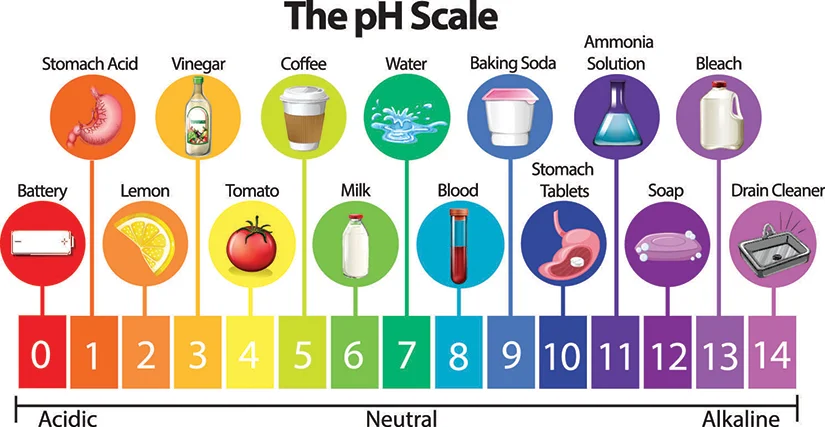
Water quality criteria also encompasses pH levels, which indicate how acidic or alkaline water is. Generally, the ideal drinking water has a neutral pH, around seven, ensuring it’s safe and pleasant to consume. If water is too acidic or alkaline, you may encounter corrosion or scaling in your pipes. This can potentially release harmful metals like lead into the water supply and cause long-term wellness issues.
5. Water Temperature
Water temperature can also subtly influence health. The Florida Department of Agriculture and Consumer Services reveals that warmer water may encourage bacterial growth; raising the risk of waterborne diseases and affecting water’s taste and smell. Conversely, cold water is generally less prone to bacterial contamination, offering a safer and more refreshing option for drinking.
6. Piping and Distribution Systems
When water makes its way from its source to your tap, your piping and distribution systems can impact its quality. Old or corroded pipes can leach toxic metals like lead and copper into drinking water, compromising taste and purity. That’s why regular maintenance and system updates are important to reduce your exposure to potentially harmful substances.
7. Climate and Environmental Factors
Environmental factors like heavy rainfall and flooding can lead to contamination of surface water sources. This increases the risk of microbial pathogens and pollutants entering the water supply. Similarly, droughts in your region can lower water levels, concentrating contaminants and reducing water availability. Climate change only exacerbates these challenges, changing precipitation patterns and worsening water scarcity. Understanding and proactively mitigating environmental impacts is essential for safeguarding public health and ensuring access to safe drinking water.
Water Testing To Determine Drinking Water Quality
To achieve optimal health and find the right drinking water solution, it’s crucial to consider how the factors mentioned might affect water quality in your area. And if you want to be sure, you can assess quality with an at-home water testing kit.
Comments Off on Understanding the Importance of Water QualityInDefault
Water is life. The human body is comprised of 65% water and it cannot survive without it for any great length of time. Water needs to be absorbed several times a day in order to stay healthy. While the body can go 3 weeks without food, it cannot go more than 3 days without water.
Studies show that women need to drink 2.2 litres of water a day while men need 3 litres. The difference is due to the fact that men, on average, have more fat-free body mass and higher expenditure of energy. Because it’s important to hydrate the body frequently, it’s also a good idea to be doing so with the water that is the best for the body. Between spring, mineral and distilled, which one is the healthiest choice for the human anatomy?
Spring wins.
No beating around the bush here. Without a doubt, spring water is the winner. It is considered the best water to drink, providing vital nutrients as it moves through the body.
This is, of course, spring water that is bottled at the source and proven to be actual living spring water. Only 55% of the bottled water that claims to be spring water actually is bona fide spring water. 45% is just treated tap water. This does not give us the same benefits, nor will it have the refreshing, unique taste that real spring water has. It’s important to check the authenticity of spring water.
Spring water provides much needed oxygen to the body and the brain, aids in good digestion, helps us maintain a healthy weight, and tastes great. Spring water never tastes flat or boiled. It makes for an excellent drinking experience and one that does wonders for the body.
Mineral water is right behind.
Mineral water is spring water that has had more minerals added to it. It has 250 minerals per million solids. Sparkling mineral water is bottled containing the same carbon dioxide that was at the source of the spring.
Because of the additives in this water, there can be a bit of a distinctive taste to it. Not all of the additional minerals are necessary for the body, and not everyone can process them. In addition, there is a distinct taste that is off-putting to mineral water, which puts it behind spring water. It doesn’t taste as natural or pure because of the additional minerals.
Distilled water’s little victory.
Distilled water may lack the minerals and nutrients of spring and mineral water, but the distilling process can be used to remove toxic metals and chemicals from the water. While there are home distillers, it is best to go with industrially distilled water instead.
However, distilling water also removes healthy minerals the body needs, which means drinking it for any length of time can lead to mineral deficiencies. Also, once it comes in contact with the air, distilled water absorbs carbon dioxide, which makes it acidic. When it is ingested, that goes into the body and causes excess acid. With all of this in mind, it’s clear to see why distilled water is the last on the list of waters to drink.
A quick word about reverse osmosis
While not as beneficial for the body as live spring water, filtered water is better than none at all. Reverse osmosis water filters are excellent tools for purifying water, even after a carbon filter has already been used on it. They remove many contaminates that are still left behind by the carbon filters and create healthy, fresh water for drinking.
Comments Off on WHICH WATER IS BEST FOR YOU? SPRING, MINERAL, OR DISTILLED?InDefault
In the vast landscape of agriculture, where factors like soil health, crop varieties, and weather patterns often take center stage, the significance of water quality should not be underestimated. Let’s dive into the pivotal role that water quality plays in optimizing agricultural outcomes.
1. Nutrient Delivery and Absorption
Water serves as a carrier for essential nutrients that plants need for growth. The quality of water determines not only the presence of these nutrients but also their availability to plants. Poor water quality can hinder the absorption of vital elements, leading to nutrient deficiencies and compromised crop health.
2. Soil Structure and Erosion Control
Water quality influences soil structure and erosion. Contaminants in water can contribute to soil degradation, affecting its ability to retain water and nutrients. Proper water quality management is, therefore, integral to preserving soil health, reducing erosion, and ensuring sustainable agricultural practices.
3. Impact on Irrigation Systems
For many farmers, irrigation is a lifeline, especially in regions with erratic rainfall. Poor water quality can clog irrigation systems with sediments and mineral deposits, reducing their efficiency and necessitating costly repairs. Maintaining high water quality not only ensures smooth irrigation but also extends the life of critical agricultural infrastructure.
4. Disease Prevention
Contaminated water can be a breeding ground for plant pathogens. The importance of water quality in disease prevention cannot be overstated. By using clean water for irrigation, farmers can significantly reduce the risk of introducing harmful pathogens to their fields, safeguarding crops from diseases that can devastate entire harvests.
5. Impact on Crop Yield and Quality
Water quality is a direct determinant of crop yield and quality. Clean, nutrient-rich water contributes to robust plant growth, higher yields, and better-quality produce. It’s not just about quantity but also about the market value of crops, making water quality a key factor in the economic success of agricultural endeavors.
Ensuring water quality in agriculture requires a holistic approach, combining laboratory water testing, sustainable water management practices, and adherence to environmental regulations. By prioritizing water quality, farmers can unlock the full potential of their agricultural endeavors, promoting long-term sustainability and resilience in the face of evolving challenges.
Comments Off on Importance of Water Quality in AgricultureInDefault
As one of Earth’s most precious natural resources, water is a fundamental elementof life (be it in human, animal, or plant form.)It is also part of our bodies: we are made up of 70% water. Drinkingwater is essential to our survival— in fact, humans can live up to 21 days with no food, but up to two months just by drinking water! Humans have also equated good health to drinking good quality water because of the many benefits and nutrients we get from it. However,water is a finite resource and only a small portion is safe to drink, sowithout monitoring systems in place,poor and contaminated water qualitywill only lead to a rise in health conditions and environmental hazards for the public and the planet.
So, what makes the water quality good?
Good water quality is determined by its “lack of impurities,” that is, lack of contaminants. Water pollution can occur when physical or chemical contaminants enter the water source, thus becoming a potential risk for human health and even transmitting several dangerous diseases. Water that has little to no pollution (since contaminants in small amounts pose no threat to our health) is considered to be of good quality and rendered safe to drink. It can even be beneficial to our health too.
What are the benefits of drinking good quality water?
Drinking water is already important for our health, but good quality water can have an even greater impact. Water prevents the body from dehydrating, which can have both mental and physical consequences. Drinking water alsoimproves our skin condition, enhances physical performance and brain function, and gives us more energy, while at the same time flushing out toxins and bacteria through the bladder. It also helps in dealing with hangovers and headaches, as well as depression and productivity.Additionally, water contains various nutrients known as electrolytes, such as calcium, magnesium, potassium, and sodium, that help with several body functions.
How does water get contaminated?
There are several sources of water pollution. Contaminants can enter the water supply at any given time, be it directly into the water source, at facility treatment plants, or the distribution systems. Humans play a large role in it too, as it is mainly their interference that can affect the natural composition of water at any moment during the treatment process, which leads to water contamination.
Other sources of pollution can be waste discharged directly into the water supply coming from factories, sewage overflows, and runoffs from farmlands and cities. Airborne emissions, like smoke and fog, can also contaminate water sources.
What are the main water contaminants?
The main water contaminants can either be chemical, physical, biological, or radiological.
Chemical pollutants can occur naturally or are caused by men; they can be pesticides, metals, nitrogen, bleach, and salts, among others. On the other hand, physical contaminants result from rock or soil sediments or suspended material in rivers, streams, and lakes. Biological contaminants are the bacteria, viruses, or parasites present in the water supply. Lastly, radiological pollution can occur due to chemicals with an unstable nature that can emit ionizing radiation, such as plutonium and uranium. Other chemicals, such as lead, can leak into the water supply when plumbing materials such as pipes and tubes get corroded or cracked.
Also, in some parts of the world, there are insects that live or breed in open containers or pools of dirty water, through which they carry and transmit potentially deadly diseases.
What are the consequences of poor water quality?
Drinking poor water quality can lead to the transmission of any disease such as cholera, diarrhea, dengue, dysentery, hepatitis A, typhoid, and polio. Mismanagement or inappropriate treatment of the urban, industrial, or agricultural water supply can affect the public’s quality of life as it exposes them to dangerous health risks. Plants and the animal kingdom can also see themselves affected by contaminated water as they need this resource as much as humans to survive.
Plants or animals that drank contaminated water can also have an indirect impact on people’s lives as we depend greatly on them as a source of food and nourishment.
How can we prevent poor water quality?
Countries and environmental organizations have developed systems that are responsible for monitoring water quality. Each system uses predetermined water quality standards to ensure that the water is safe for public consumption. In the United States, the regulatory agency is the Environmental Protection Agency (EPA), which sets the national drinking water standards on over 90 contaminants. In accordance with the Safe Drinking Water Act (SDWA), the EPA allows the different states’ health departments to establish and comply with water guidelines, while always keeping in line with the national standard.
On an international level, the United Nations has developed a program called the 17 Sustainable Development Goals, which are a series of targets that aim to create a more sustainable future. The sixth Goal, “Clean water and sanitation”, is about the need for universal and equitable access to safe and affordable drinking water, as most health issues occur due to inadequate access to clean water and from chemical contaminants.
Conclusion About How Good Quality of Water Impact Good Health
Good quality water means that it is not only safe for public consumption but also good for our health, as well as that of animals and plants, as it provides irreplaceable nutrients and benefits needed to survive. On the other hand, poorly treated water,filled with contaminants,leads to sickness and disease. Therefore, it is imperative that we keep monitoringour water sources and we continue implementing systems and programs that protect our planet’s natural resources. Environmental agencies and organizations, both on state and national levels,play a large part in this and they are working hard to create a more sustainable future, in which everyone is strong and healthy because they have access to clean and unpolluted drinking water.
Comments Off on How Does the Good Quality of Water Impact Good Health?InDefault
In previous blogs, we’ve talked about the importance of water quality for the survival of crucial ecosystems. This time, we wanted to spotlight the ways in which water quality impacts human health and, perhaps more importantly, the dangers of pollution.
After all, we make up a part of those ecosystems which we often find too easy to sweep under the rug. Without the continued health of our environments and life forms, things can get pretty difficult for us humans who rely on these environments.
First, let’s look at the key causes of water pollution to understand what, in turn, can impact human health.
Causes of water pollution
Water pollution that impacts human health can be caused by both unnatural (man-made) and natural means.
Man-made pollution is caused by:
Sewage & waste disposal (including animal waste)
Agricultural runoff
Urban runoff
Fuel & chemical spillages
Plastic waste
Radioactive waste
These pollutants can contaminate water directly or by seeping into groundwater through soil, eventually making its way to bodies of water.
As for natural causes, naturally-occuring algae and pathogens can cause health issues — but it’s worth keeping in mind that the presence of toxic algae can actually be a result of man-made contaminants.
Illnesses caused by water pollution
If we want to know the impacts of water pollution on human health, we unfortunately needn’t look very far. Around the world, we see a long list of water-related diseases and illnesses, including:
Cholera
Dysentery
Hepatitis A
Typhoid
Polio
Parasitic illnesses like schistosomiasis
Head to the Environmental Pollution Centers for a more comprehensive list.
The illnesses caused by water pollution can of course vary in severity. Most commonly, contaminated water can cause rashes, earaches, eye infections, and diarrhoea. Even then, though, the severity of illness is dependent upon the local healthcare system and infrastructure (like availability of clean water to wash hands and replenish lost body fluids with).
According to WHO, an estimated 829,000 people die each year from diarrhoea as a result of unsafe drinking-water.
In the UK, we are lucky enough to have a healthcare system that means very few people die as a result of diarrhoea or related complications. Over the last few years, the frequency of gastrointestinal issues like gastroenteritis has increased due to the discharge of sewage into the sea. If we aren’t careful, such instances could become the norm.
Socioeconomic impacts
As we touched on above, there are socioeconomic factors that impact the severity of water-related illnesses. In fact, if safe drinking water and sanitation services were available across the world, the deaths of an estimated 297,000 children aged under 5 years could be avoided each year.
An inexcusable proportion of illnesses caused by water quality occur in low-income countries and communities, which then serves to keep the poor in poverty.
When people have to travel many miles a day just to reach a clean(er) water source, their time is taken up by survival – and they aren’t granted the ability to thrive. How can one be productive when finding clean water is a matter of life and death?
These journeys themselves have effects on the health of the people undertaking them – because of musculoskeletal risks or dehydration from the journey itself.
The illnesses can impact us both directly and indirectly:
Directly — via ingestion or bathing in polluted waters
Indirectly — via consumption of foodstuffs that use contaminated water or eating fish/animals that feed on the water
Fish are a particular hazard when it comes to ingesting pollutants as some chemicals ‘bioaccumulate’ inside of them. When us humans eat them – or, indeed, animals that eat the fish – we can unwittingly consume those chemicals.
Antimicrobial resistance
In the long term, water pollution with antibiotics increases the presence of ‘resistance genes’.
The United Nations Environment Assembly of the United Nations Environment Programme found that 34.8 billion daily doses of antibiotics were consumed in 2015. Of those, up to 90% were excreted into the environment as active substances.
At the same time, antibiotic-resistant infections are increasing. Read about how water pollution could spark another pandemic here.
How does water quality affect human health?
As we’ve seen, poor water quality can have significant negative effects for us humans. But what about when water is as it should be?
Healthy water contains minerals such as:
Calcium & magnesium – for good bone development
Chlorine – for our digestive process
Copper – improves the function of enzymes in blood and muscles
Iron – supports blood and muscle tissues
Potassium – aids myocardium activities, water retention, and more
Sodium – a key component of blood plasma and essential for energy
And more.
Healthy, clean water = healthy, clean humans. It’s all the more obvious, then, why water pollution should be tackled with urgency.
Comments Off on How Water Quality Affects Human HealthInDefault
Many people don’t think twice when they flip on the tap, fill up a glass of water and take a drink. They only really notice the quality of their water when they travel, or if they drink better water from a filtration system somewhere outside of their home. Then, suddenly, they start to notice everything about their water.
If you’ve recently had this experience, you’re likely thinking a lot about the quality of your water. If it tastes metallic when you drink it, what else is it doing that you are not thinking about? These are great questions to ask, and you might not like the answers you get—especially if your home has unfiltered municipal water.
The fact is, water quality is extremely important for so many reasons. Here’s a look at the three biggest reasons, and all the ways they affect our daily lives.
1. Essential for Health and Wellness
The most important aspect of water quality is the impact on our health and wellness. This has broad, wide-ranging implications for both short- and long-term wellbeing. Using water filtration methods, reduces the presence of 55 of the most common Volatile Organic Compounds without removing the essential minerals present in drinking water. This means that every glass of water you have can not only taste great, but be great for your health.
Here’s a look at some of the reasons why your water quality is important for health, inside and out:
Unfiltered water may contain bacteria like giardia intestinalis, norovirus and shigella
Contaminated groundwater can contain poisons like arsenic and mercury
Municipal water can in some cases contain lead, which can cause neurological problems
Removing chemicals such as chlorine from your water has numerous health benefits, from making your skin feel softer to reducing the presence of airborne chlorine which can be damaging for your lungs
Pharmaceuticals in the water supply can cause hormonal imbalances
Waterborne viruses and cysts can lead to dangerous infections
When combined with Aquatomic systems, the overall bioavailability of your water is improved, allowing for more complete hydration
2. Take Out the Bad, Leave in the Good
Many water filters and water softeners on the market today work by removing almost everything from your drinking water, leaving you with a tap water that is similar in nature to distilled water. Unfortunately, this kind of water isn’t ideal drinking water, as it doesn’t provide the minerals that the body needs, specifically magnesium and calcium.
Being without these minerals can lead to a decrease in your body’s metabolic function, as well as increase in urination, which can result in increased loss of electrolytes. This, combined with the electrolytes lost through sweat, can result in a deficit for your body. Over time, this can have a detrimental effect on your health. In the absolute worst-case scenarios, this can result in serious health issues, like acidosis
3. Important for the Environment and Sustainability
Poor water quality has several big-time effects on environment. The first and biggest comes from the waste generated by water bottles. If you can’t trust your tap water and turn to bottled water, it generates millions of tons of plastic waste each year. This waste is easily avoided by making an investment in point-of-use water filtration, or even a whole-house water filtration system.
The second aspect of environmental sustainability is the perpetuation of poor water quality. Every drop of unfiltered water that leaves your home goes back into a system that’s not efficiently treating it. The cycle continues. But, if you have a filtration system, you have the potential to contribute less to that system by sending filtered water down the drain instead.
Should You Have Your Water Quality Tested?
Absolutely. Every person, no matter where you live, should at least know what’s in their water. The more you know, the more you can do to protect yourself—or the more confidence you’ll have in your taps when the report comes back clean.
Comments Off on 3 Big Reasons Why Your Water Quality is ImportantInDefault